

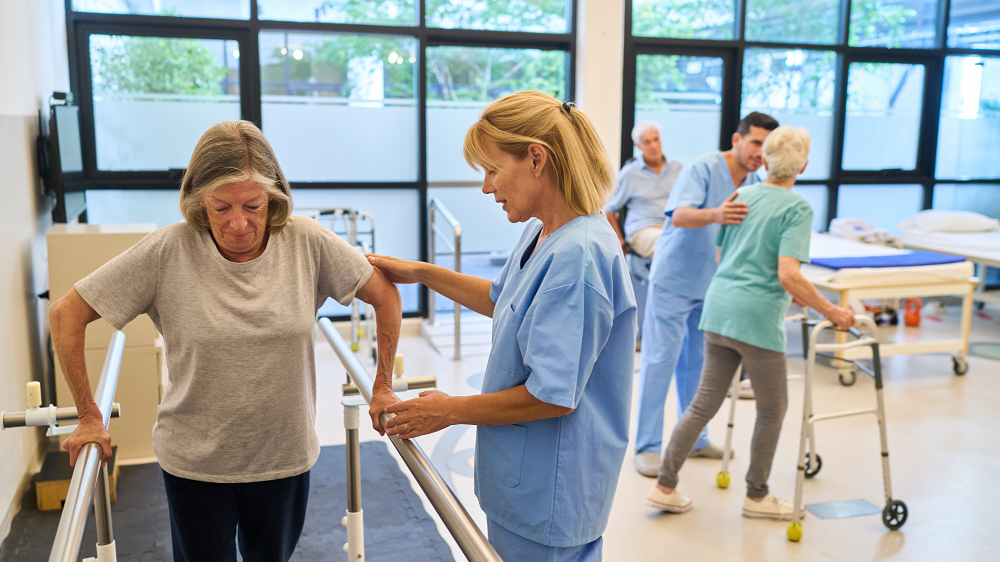
Spinal Cord Injuries (SCI) often profoundly change a patient’s life. Surgical repair, through stabilization, decompression and neuroprotection, lays the foundation for recovery, but the journey does not end in the operating room. For many patients, true progress is measured in the ability to regain independence, pursue mobility goals and restore quality of life. This emphasis on patient-centered outcomes is reshaping how surgeons, therapists, and rehabilitation teams work together after SCI surgery. Dr. Larry Davidson, a board-certified neurosurgeon with fellowship training in complex spinal surgery, has long advocated for treatment strategies that prioritize independence as a central goal of recovery.
Successful surgery must be paired with rehabilitation, adaptive strategies and psychological support to rebuild lives after injury. These combined efforts help patients regain not only physical function but also confidence in their daily routines. By addressing emotional resilience alongside physical recovery, care teams can better support long-term independence and quality of life.
Defining Independence After Surgery
Independence after SCI surgery can take many forms. For some patients, it means walking again, with or without assistance. For others, it may involve using adaptive equipment to return to work, care for family or engage in hobbies. The definition is personal and depends on the level of injury, overall health and individual goals.
What unites these experiences is the focus on improving daily life. Independence is not limited to physical mobility. It includes the ability to make choices, participate in meaningful activities and maintain dignity. Understanding each patient’s priorities is critical in shaping recovery plans that feel both realistic and empowering.
The Role of Rehabilitation in Restoring Function
Rehabilitation is the bridge between surgical repair and independent living. Physical therapy helps patients rebuild strength, flexibility and balance, while occupational therapy provides strategies for daily activities such as dressing, cooking and transportation. These therapies work together to support independence.
Evidence shows that patients who actively engage in rehabilitation after surgery achieve better outcomes. Early therapy prevents complications like muscle atrophy and contractures, while sustained participation supports long-term function. Rehabilitation programs tailored to individual goals, whether focused on walking, wheelchair mobility or adaptive technology, create a pathway to independence that reflects the patient’s aspirations.
Mobility Goals and Patient Outcomes
Mobility is often at the center of independence. For patients with incomplete injuries, early surgical decompression, combined with intensive rehabilitation, may restore walking ability. For those with more extensive damage, mobility may involve wheelchairs, braces or assistive technologies.
The key is setting realistic, individualized mobility goals. Some patients may aim for independent walking, while others focus on mastering wheelchair skills that allow them to navigate work, travel and community life. Assistive devices, from lightweight wheelchairs to robotic exoskeletons, expand the options available. Mobility is not simply about moving from one place to another. It is about freedom. By aligning surgical care and rehabilitation with each patient’s mobility goals, providers support a broader vision of independence.
Quality-of-Life Improvements
Beyond mobility, independence after SCI surgery involves improvements in quality of life. Pain management, bowel and bladder function and sexual health all play significant roles in a patient’s daily well-being. Addressing these issues is essential to creating a recovery plan that supports holistic independence.
Psychological health is just as important. Depression, anxiety and frustration can slow progress, if left unaddressed. Integrated care that includes counseling and peer support helps patients rebuild not only their physical abilities, but also their confidence and sense of hope. Focusing solely on surgical outcomes misses the bigger picture. True success is measured by patients living fuller, more engaged lives after surgery.
The Athlete’s Perspective on Independence
Athletes who sustain spinal injuries often view independence through the lens of performance. Returning to competition may not always be possible, but adaptive sports and specialized training programs provide avenues to maintain physical activity and achieve new goals.
For athletes, independence may mean regaining the ability to train, participate in adaptive events or coach others. Their determination and discipline often serve as powerful assets during recovery, but guidance is needed to channel this drive, safely. With athletic patients, this approach shows how individualized care plans can be aligned with realistic milestones, helping athletes regain independence in ways that reflect both their physical abilities and personal goals.
Education and Training for Providers
As patient-centered outcomes gain emphasis, surgical education has adapted to include broader perspectives on recovery. Surgeons and rehabilitation specialists are now trained to consider independence and quality of life, alongside structural repair. This approach brings surgical planning together with long-term rehabilitation strategies, for a more seamless recovery.
Dr. Larry Davidson mentors new surgeons on the importance of patient-centered care. His teaching emphasizes that independence should be a central goal, not an afterthought. By preparing providers to think beyond the operating room, he helps the next generation of surgeons support patients in rebuilding their lives.
Patients as Partners in Independence
Achieving independence after SCI surgery requires patients to play an active role in their recovery. Shared decision-making supports a collaboration between physician and patient, aligning medical expertise with personal priorities. Patients who help define their rehabilitation goals are more motivated and engaged, leading to stronger outcomes. This partnership respects that independence means different things for each person. Whether it involves returning to work, caring for children or traveling independently, the recovery process reflects the patient’s own vision of success.
Dr. Larry Davidson explains, “Spinal cord injury surgery is about more than fixing bones; it’s about giving patients the best chance at reclaiming their lives.” His perspective underscores that true success is found in restoring independence, dignity and meaningful participation in life after injury. Advances in rehabilitation technologies continue to expand what independence looks like for SCI patients.
Robotic exoskeletons, functional electrical stimulation and smart home devices are helping patients achieve mobility and autonomy in new ways. Ongoing research into regenerative medicine may one day broaden these possibilities further. Rebuilding independence after spinal cord injury surgery requires more than technical repair. It demands a holistic approach centered on patient goals. Rehabilitation, mobility planning and quality-of-life improvements create pathways to independence that reflect individual priorities.