

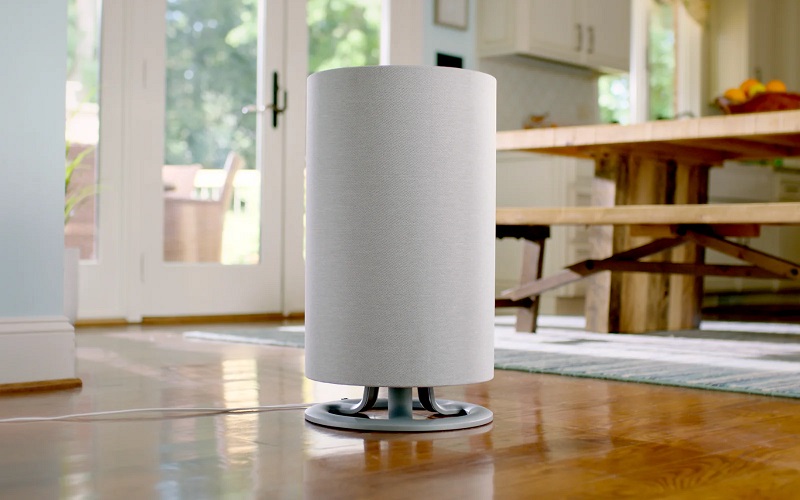
Air purifiers approved for Flexible Spending Account (FSA) reimbursement are typically medical-grade and designed to address specific health concerns. One of their primary benefits is the ability to remove allergens such as dust mites, pet dander, mold spores, and pollen from indoor air. This can be a game changer for allergy sufferers, helping reduce sneezing, itchy eyes, and congestion. By filtering out airborne irritants that can trigger allergy symptoms, these purifiers contribute to a healthier indoor environment, particularly during allergy seasons or in homes with pets.
Relief from Respiratory Conditions
FSA-approved air purifiers often feature High Efficiency Particulate Air (HEPA) filters, which can capture up to 99.97% of particles as small as 0.3 microns. This level of filtration is especially beneficial for individuals with asthma, COPD, or chronic bronchitis. Removing pollutants from the air reduces the risk of flare-ups, improves lung function, and helps maintain clear airways. Many people with respiratory sensitivities report fewer symptoms and better sleep after incorporating a fsa approved air purifier into their living space. Cleaner air also means less stress on the lungs, making daily breathing easier for those with compromised respiratory systems.
Protection from Indoor Pollutants and VOCs
Indoor air quality is often compromised by more than just allergens. Volatile organic compounds (VOCs) released from everyday items like household cleaners, paints, and furniture can significantly impact health. Many FSA-approved air purifiers offer a solution by incorporating activated carbon filters designed to capture these gases and unpleasant odors. This additional filtration layer helps mitigate the risks associated with chemical exposure, reducing symptoms like headaches, nausea, and irritation of the eyes or throat. Air purifiers with activated carbon filters are particularly advantageous in urban areas with higher pollution levels or in recently renovated homes where VOC off-gassing is common, ensuring a cleaner and healthier indoor environment.
A Boost to Overall Wellness
Using an air purifier regularly can lead to better overall health, even for individuals without diagnosed allergies or respiratory issues. Breathing cleaner air can enhance focus, reduce fatigue, and support stronger immune function. People who use air purifiers often experience better sleep quality due to fewer nighttime irritants and snoring triggers. Over time, reduced exposure to airborne contaminants helps create a more restful, stress-free living environment, which benefits physical and mental health alike.
Smart Investment Through Your FSA
Choosing an FSA-eligible air purifier is a practical way to invest in your health using pre-tax dollars. These products must meet medical necessity criteria—typically prescribed by a doctor for allergies, asthma, or other conditions. Not only does this allow for a potential tax break, but it also ensures you’re selecting a unit designed for real health benefits rather than cosmetic air freshening. If you already have a health condition exacerbated by poor indoor air quality, using your FSA to cover an approved air purifier provides both financial and wellness advantages, making it a smart addition to your home.