

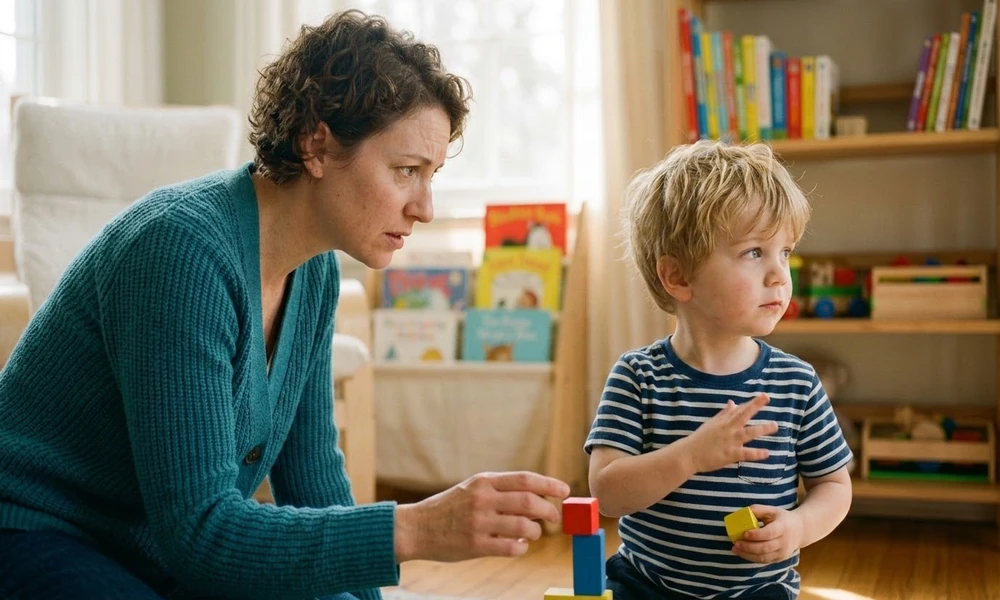
Every child develops at their own pace. Small differences in speech, movement, play, or social behavior are often part of growing up. Still, some delays or patterns may be worth a closer look.
For parents, it can be hard to know when to wait, when to ask questions, and when to seek support. Autism spectrum disorder and other developmental delays can affect how a child communicates, interacts, learns, responds to sensory input, or manages daily routines.
Early signs may appear in infancy or toddlerhood, but they can look different for every child. Knowing what to watch for can help parents feel more prepared and less alone as they decide what to do next.
Understanding Developmental Milestones
Developmental milestones are skills most children reach around certain ages. These may include smiling, babbling, pointing, walking, using words, following simple directions, and playing with others.
Milestones are not strict deadlines. They are guideposts that help parents and healthcare professionals notice when a child may need extra support.
Some children are delayed in one area and catch up over time. Others may show delays across several areas, such as language, social interaction, motor skills, or problem-solving. A child who is not talking much, rarely responds to their name, avoids eye contact, or has trouble with back-and-forth play may benefit from a developmental evaluation.
Progress over time matters, too. A child who is slowly gaining new skills may need a different kind of support than a child who has stopped gaining skills or lost abilities they once had. Regression, such as losing words or social behaviors, should always be discussed with a pediatric provider.
Early Social and Communication Signs
Many early signs of autism involve social communication. A child may not respond consistently when called, may seem less interested in sharing attention, or may not point to show things. They may prefer to play alone or interact in ways that feel different from typical social play.
Communication concerns can include delayed speech, limited gestures, repeated words or phrases, or unusual ways of using language. Some children may know letters, numbers, or songs but have difficulty using words to ask for help, answer questions, or connect with others.
Developmental screenings during routine pediatric visits can help identify these concerns early. Providers such as Kimball Health Services offer pediatric care and developmental screenings, which can help families decide whether further evaluation or early support may be helpful.
Repetitive Behaviors and Sensory Differences
Autism can also involve repetitive behaviors, strong interests, and sensory differences. A child may flap their hands, spin objects, line up toys, repeat the same actions, or become upset when routines change.
These behaviors are not automatically a problem. They may be more meaningful when they appear alongside communication or social delays.
Sensory differences can affect how a child responds to sound, touch, light, movement, food textures, or clothing. Some children may cover their ears, avoid certain fabrics, seek pressure, or become overwhelmed in busy environments. Others may seem less sensitive to pain, temperature, or noise.
Parents may notice that everyday routines become difficult because of these sensitivities. Haircuts, toothbrushing, bath time, getting dressed, or visiting crowded places may lead to distress. Understanding a child’s sensory patterns can help caregivers adjust the environment and provide better support.
When Speech Delays May Have Different Causes
Speech delays can happen for many reasons. Some children may simply need more time. Others may have hearing differences, oral-motor challenges, developmental delays, or autism-related communication differences.
Because these causes can overlap, it is important not to assume speech delay has only one explanation.
A hearing evaluation is often recommended when a child has delayed speech or does not respond consistently to sounds. Even mild or temporary hearing loss can affect how a child learns language. Ear infections, fluid in the ear, or other hearing concerns may make it harder for a child to hear speech clearly.
Audiology providers such as Apex Audiology can evaluate children’s hearing and help determine whether hearing aids or other supports may be needed. Addressing hearing concerns can give families a clearer picture of a child’s communication needs.
The Value of Early Evaluation
Early evaluation does not mean labeling a child too soon. It helps parents better understand a child’s strengths, challenges, and support needs.
Evaluations may include observations, parent interviews, developmental questionnaires, speech and language assessments, hearing tests, and sometimes psychological or behavioral assessments.
The goal is to gather enough information to guide the next steps. Some children may qualify for early intervention services, speech therapy, occupational therapy, behavioral support, or special education services. Others may need monitoring and follow-up rather than immediate therapy.
Parents do not need to wait until concerns become severe. Early evaluation can offer reassurance, practical strategies, and a clearer plan. It can also reduce frustration for both the child and the family by identifying supports before challenges grow.
How Early Intervention Can Help
Early intervention helps children build important skills during a time when the brain is highly adaptable. Support may focus on communication, play, social engagement, daily routines, emotional regulation, feeding, motor skills, or adaptive behavior.
The earlier support begins, the more opportunities a child has to practice skills in everyday life.
Intervention is not about changing who a child is. It is about helping them communicate, participate, and feel more comfortable in their environment. For some children, that may mean learning to use words. For others, it may mean using gestures, pictures, devices, or other communication tools.
Families exploring autism-related support may come across services such as ABA therapy and developmental support. Sunshine Advantage provides ABA therapy for autism and developmental support, which may be one option families consider as part of a broader care plan guided by professional recommendations.
Supporting the Whole Family
Developmental concerns affect more than the child. Parents may feel uncertain, worried, guilty, or overwhelmed. Siblings may also need support as family routines shift around appointments, therapies, or behavioral needs.
Emotional support can be an important part of the care process.
Families often benefit from learning practical strategies they can use at home. These may include creating predictable routines, using visual supports, simplifying instructions, offering choices, and celebrating small steps of progress. Consistency across home, school, and therapy settings can make support more effective.
Mental health professionals can also help families manage stress, communication challenges, and emotional strain. Equilibrio offers psychiatric and counseling-related support for children and families, which may be useful when developmental concerns are connected with anxiety, behavioral challenges, or family adjustment needs.
What Parents Can Do at Home
Parents play a central role in supporting development. Simple daily interactions can make a difference.
Talking during routines, reading together, naming objects, singing songs, playing turn-taking games, and responding to a child’s attempts to communicate can all support learning.
It can also help to follow the child’s interests. If a child enjoys trains, bubbles, blocks, or music, those interests can become opportunities for connection. Parents can model words, gestures, waiting, sharing, and problem-solving through activities the child already enjoys.
Keeping notes before appointments can be useful. Parents may want to write down examples of behaviors, missed milestones, sleep issues, feeding concerns, sensory sensitivities, communication patterns, or moments when the child does especially well. Specific examples help professionals better understand the child’s day-to-day experience.
Working With Professionals and Schools
Once concerns are identified, families may work with a team of professionals. This can include pediatricians, speech-language pathologists, occupational therapists, audiologists, psychologists, developmental specialists, teachers, and mental health providers.
Parents should feel comfortable asking questions, such as:
What skills are being assessed? What do the results mean? What services may help? How will progress be measured? What can we do at home?
Clear communication helps families make informed decisions.
For children in preschool or school, educational evaluations may also be appropriate. Schools can assess whether a child needs classroom accommodations, therapy services, or an individualized education plan. Early collaboration between families and educators can make transitions smoother and help children receive support in learning environments.
Conclusion
Noticing possible signs of autism or developmental delays can feel emotional, but it can also be an important step toward understanding a child’s needs. Delays in speech, social interaction, play, behavior, sensory processing, or daily routines do not always point to one specific diagnosis. Still, they are worth discussing with qualified professionals.
Early evaluation and timely intervention can give children stronger support during key stages of development. They can also give parents practical tools, clearer answers, and more confidence as they help their child grow.
Every child’s path is different. With careful observation, professional guidance, and steady support, families can take meaningful steps toward helping children communicate, learn, connect, and participate more fully in daily life.