

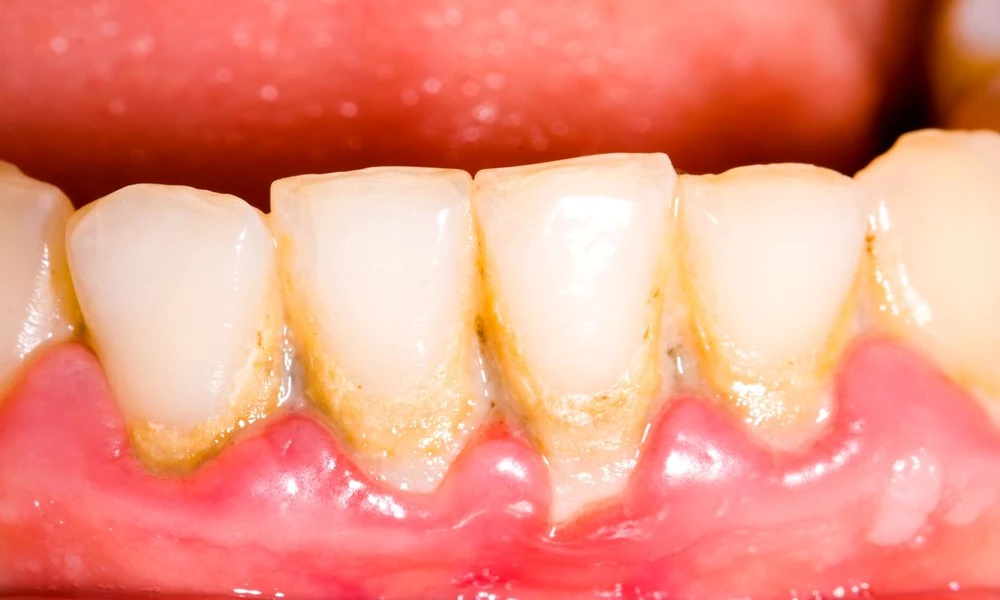
You might be feeling a little thrown off by how something so small can cause so much discomfort. Maybe you had a filling, crown, or other dental work done, and at first everything seemed fine. Then your gum started to feel sore, puffy, or tender in one spot. It can be confusing, especially when the tooth itself may not even hurt. The short answer is simple. A tiny bit of leftover or overhanging dental material can rub the gum, trap food and plaque, and set off irritation that does not go away on its own. If you are looking for comprehensive oral health services in Tallahassee, it may help to have the area checked by a dental professional.
That matters because irritated gums are not just annoying. When that small rough edge keeps catching debris, the area can become inflamed and harder to clean. Over time, what starts as mild tenderness can turn into bleeding, swelling, or a deeper gum problem. If you have been wondering whether you are overreacting, you are not. Sometimes the smallest issue in your mouth can create the biggest daily irritation.
Why can a tiny rough spot after dental work bother your gums so much?
Your gums are soft, sensitive tissue. They do not need much pressure or friction to become inflamed. If a filling sits a little too far beyond the natural edge of the tooth, or if a bonding material leaves a small ledge, that spot can act like a plaque trap. Food particles and bacteria collect there, your toothbrush and floss may not reach it well, and the gum nearby reacts.
This is one reason excess dental material irritating gums is more common than people expect. It is not always a sign that something has gone badly wrong. Sometimes it is simply a minor contour issue that needs a quick adjustment. But if it stays in place, the gum can remain angry and swollen, and that can make eating and brushing feel uncomfortable.
Because of this tension, you might wonder if it is just normal soreness from recent treatment. A little tenderness right after a procedure can be normal. What raises more concern is soreness that stays focused in one spot, bleeding when you floss around one tooth, or the feeling that something is catching between your teeth. Those clues can point to a rough edge or overhang rather than simple healing.
What happens if excess filling material is left near the gumline?
When extra material sits close to the gumline, it can do two things at once. First, it may physically irritate the gum. Second, it can make it easier for plaque to build up. According to the National Institute of Dental and Craniofacial Research, gum disease begins with plaque buildup that irritates the gums. That means even a small change in the shape of a tooth can create the right conditions for inflammation.
Picture a filling that feels smooth to your tongue but has a tiny edge under the gumline. You may not see it, but floss may shred there or snap strangely. Food may pack into that area after meals. The gum may look redder than the others. In some cases, people assume they need to floss harder, when the real issue is that the tooth surface is no longer easy to clean.
So, where does that leave you? It means gum irritation after a dental procedure is worth paying attention to, especially if it seems isolated to one area. A small excess filling causing gum irritation may be a simple fix, but it is still a fix that matters.
Could it be something else, or is the dental material really the problem?
Not every sore gum is caused by leftover material. You could also be dealing with floss trauma, a piece of food stuck under the gum, teeth grinding, or early gum infection. Some people also react to changes in their bite after treatment. If a tooth hits too hard when you chew, the surrounding tissue can feel sore and inflamed.
Still, there are a few signs that point more strongly toward a restoration issue. One is when the discomfort started only after a filling or crown. Another is when the irritation stays in the same exact place. A third is when floss catches, shreds, or will not glide normally. The National Institute of Dental and Craniofacial Research explains that dental fillings restore damaged teeth, but they need to fit well and allow normal cleaning around the tooth.
If any of that sounds familiar, a general dentist can usually check the area quickly. In many cases, the solution is as simple as smoothing, reshaping, or trimming the material so the gum can calm down.
Should you wait it out or have a general dentist check it?
It is tempting to give it a few more days, especially if life is busy and the pain seems manageable. But waiting can make the area harder to clean and give plaque more time to sit against the gum. That can lead to deeper irritation and more tenderness than the original problem caused.
| What You Notice | What It May Mean | Best Next Step |
|---|---|---|
| Mild soreness for a day or two after treatment | Normal healing | Monitor, brush gently, use floss carefully |
| One spot stays red, swollen, or bleeds | Plaque trap or gum irritation from excess material | Schedule a dental check |
| Floss shreds or catches around one tooth | Rough edge, overhang, or open contact | Have the restoration evaluated |
| Pain when biting down | Bite may need adjustment | See a general dentist soon |
| Swelling, pus, bad taste, or worsening pain | Possible infection or significant inflammation | Seek prompt dental care |
What can you do right now if your gums feel irritated after dental work?
1. Check the pattern.
Pay attention to whether the irritation is isolated to one tooth or one side of the gum. Notice if floss catches there, if food packs there, or if the discomfort started right after treatment. Those details help your dentist find the cause faster.
2. Keep the area clean, but be gentle.
Brush with a soft toothbrush and do not scrub. Floss carefully once a day unless it causes sharp pain or keeps shredding. Warm salt water rinses may help soothe the tissue while you wait to be seen. Do not try to pick or file anything yourself. That can damage the tooth or gum.
3. Make an appointment if it is not improving.
If the area is still sore after a few days, or if it is getting worse, have a general dentist take a look. A small adjustment can bring a lot of relief, and it can stop a minor issue from turning into a longer gum problem.
When a tiny problem keeps nagging, what is the smartest move?
Trust what your mouth is telling you. If one area keeps feeling irritated, there is usually a reason. The good news is that when the cause is a small piece of excess dental material, the fix is often straightforward. Once the rough spot or overhang is corrected, your gum has a better chance to heal and return to normal.
You do not have to push through ongoing discomfort or wonder if it is all in your head. If your gums feel irritated after recent dental work, schedule a visit and have the area checked. A careful exam can give you clarity, relief, and peace of mind.