

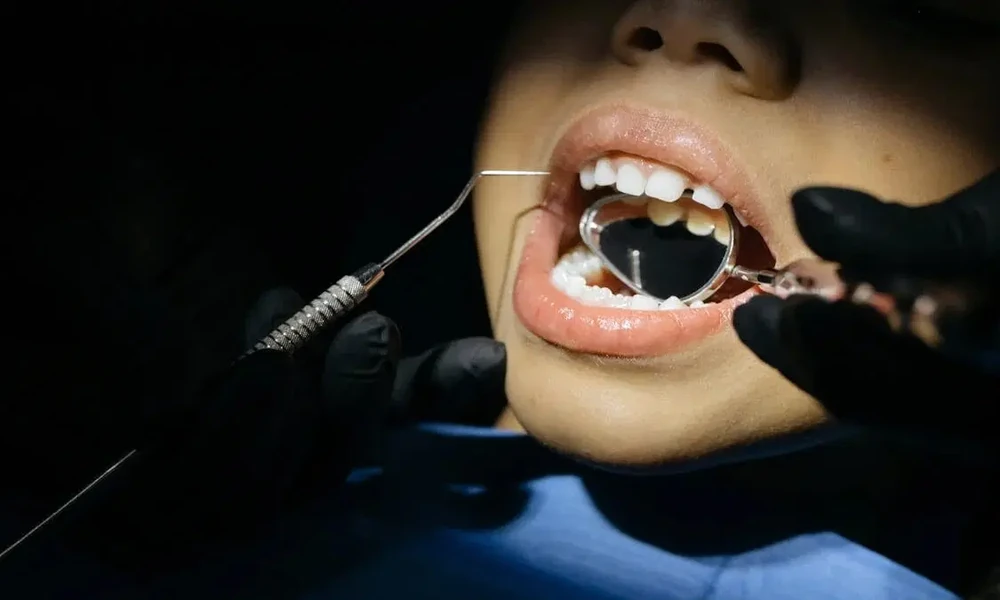
You already have enough to keep track of. Meals, school forms, bedtime battles, screen time, colds that show up out of nowhere. Tooth brushing can start to feel like one more thing to manage, especially when your child fights it or seems too little for it to matter. That feeling is common, and it is exactly why so many families put oral care on the back burner until there is a problem, which is when a family dentist in Fort Wayne can help.
The trouble is that dental habits do not begin when adult teeth come in. They begin much earlier, and the patterns set in those early years tend to stick. A simple routine at home, along with regular visits to a family dentist, can lower the risk of cavities, reduce fear around dental care, and save money and stress over time. That is the short version. Small daily habits now often mean fewer painful, expensive surprises later.
Early oral care routines shape health long before problems show
Tooth decay is one of the most common chronic conditions in children, and it often starts quietly. A child may seem fine, still eat normally, and still sleep through the night, while early damage is already forming. When parents hear “baby teeth fall out anyway,” it can sound harmless, but those teeth hold space for adult teeth, help with speech, and affect how a child chews and eats. When they are neglected, the effects spread beyond the mouth.
A cavity is rarely just a small spot on a tooth. It can turn into pain during meals, poor sleep, missed school, trouble focusing, and a child who becomes scared of brushing because the mouth already hurts. Families then end up dealing with urgent dental visits instead of simple prevention. That is one reason early dental habits for kids matter so much. They build comfort before fear has a chance to take over.
There is also the money side of it, which many parents know too well. Preventive care is usually far easier on the budget than fillings, crowns, or emergency treatment. A toothbrush, fluoride toothpaste used correctly, and routine checkups cost less than fixing damage after it spreads. The National Institute of Dental and Craniofacial Research offers clear oral hygiene guidance that supports the basics families can use every day.
Consistent dental care for children lowers stress at home and at the dentist
Children do better with what feels normal. When brushing starts early and happens at the same times each day, it becomes part of life instead of a nightly argument. That does not mean every child cooperates right away. Some clamp their mouths shut, some chew the toothbrush, some cry the second they see toothpaste. Repetition still works. The goal at first is not perfection. It is familiarity.
That same pattern helps in the dental office. A child who has had a few calm, routine visits is often less anxious than a child whose first visit happens because of pain. When the first experience is an emergency, the lesson they absorb is simple and hard to undo. The dentist equals fear. A family dentist can help children get comfortable with exams, cleanings, and simple instructions before treatment is ever needed.
Building healthy oral care routines early also teaches children something larger. They learn that health is not just about reacting when something hurts. It is about care that happens before pain starts. That mindset can carry into food choices, sleep, hand washing, and the way they handle their own health as they grow.
Prevention costs less than treatment and causes less disruption
The long term payoff becomes easier to see when you compare what daily prevention asks of a family with what untreated dental problems can lead to.
| Daily prevention | When routine care is delayed |
|---|---|
| Brushing twice a day with fluoride toothpaste | Higher risk of cavities, pain, and sensitivity |
| Regular checkups with a family dentist | More urgent visits and treatment under stress |
| Early guidance on thumb sucking, diet, and brushing technique | Habits become harder to change later |
| Lower day to day cost | Higher costs for fillings, crowns, or emergency care |
| Familiarity with dental care | More fear and resistance during appointments |
The Centers for Disease Control and Prevention shares practical oral health tips for children, including brushing with fluoride toothpaste and watching sugar intake. Those steps seem basic because they are. Basic does not mean minor. It means they work when done consistently.
Simple habits create lasting oral health benefits
Parents often assume they need a perfect routine to get good results. They do not. They need a routine that happens often enough to become automatic. A child who brushes every morning and night, drinks water regularly, and sees the dentist on schedule is already on stronger ground than a child who gets sporadic care only when someone remembers.
Think about two common scenarios. In one home, brushing is part of pajamas and bedtime stories, and a parent still helps even when the child wants independence. In the other, brushing happens when there is time, skipped when the evening runs late, and dental visits are postponed because nothing seems wrong. A year later, the difference may not be dramatic. A few years later, it often is.
Three steps you can start right away
1. Tie brushing to routines that already happen. Pair tooth brushing with wake up and bedtime. Children respond well to patterns. If it always happens after breakfast and before stories, there is less room for negotiation.
2. Keep the routine short, calm, and supervised. Young children need help brushing well, even when they want to do it themselves. Use a rice sized smear of fluoride toothpaste for children under three and a pea sized amount for children three to six, unless your dental professional advises otherwise. Stay matter of fact. A power struggle makes the habit harder to keep.
3. Schedule regular visits with a family dentist before there is pain. Preventive visits give you a chance to catch issues early, ask about diet and fluoride, and help your child build trust with the dental office. That relationship pays off when your child needs guidance, reassurance, or treatment later.
Good oral care does not require a perfect parent or a perfect child. It asks for consistency, patience, and a willingness to start before there is a problem. That is why establishing early oral care routines pays off over time. You are not just protecting teeth. You are reducing stress, lowering costs, and giving your child a healthier start with family dentist support when it counts.