

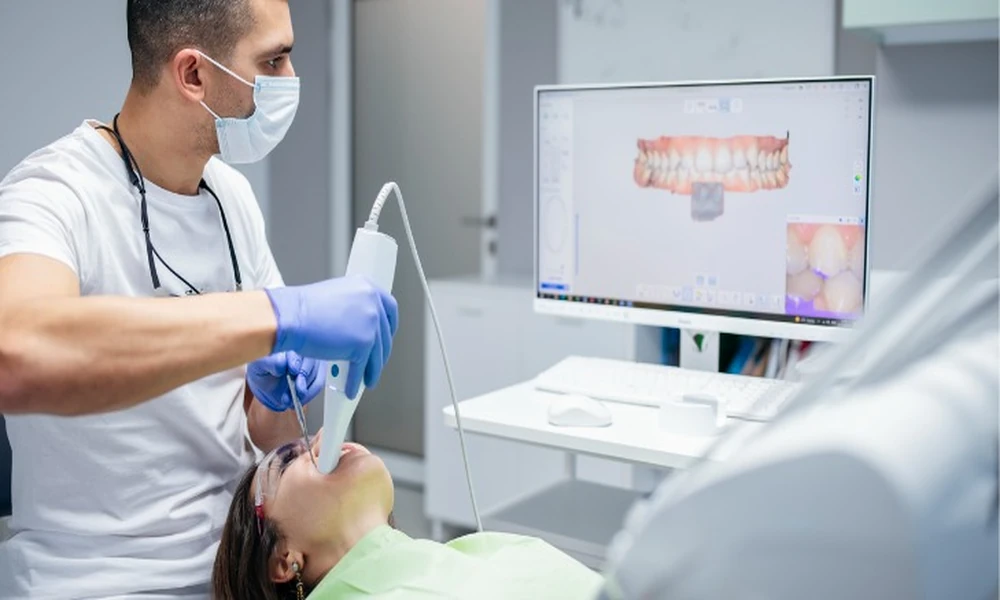
You may be looking at braces or clear aligners and wondering why the process seems so different from what it was even a few years ago. Maybe you remember bulky molds, long visits, and a lot of guesswork. Now you hear about digital scans, 3D printing, and treatment plans built on software, and it can feel both hopeful and a little hard to sort through. That reaction makes sense. Your smile matters, and when care changes this quickly, you want to know what is actually helping you and what is just noise. A Chicago orthodontist can help explain which advances are truly improving care and which ones are mostly marketing.
Here is the short answer. How Technology Is Transforming Modern Orthodontic Services comes down to better planning, more precise appliances, and a smoother patient experience. Digital tools are helping orthodontists spot issues earlier, design treatment with more accuracy, and often reduce the mess and stress that used to come with traditional methods. At the same time, the technology works best when it is guided by trained clinical judgment, not used as a shortcut.
Why does modern orthodontic care feel so different now?
Not long ago, orthodontic treatment often began with trays full of impression material and a wait for physical models to be made. For some people, that was uncomfortable. For others, it was simply inconvenient. Because of those limits, small errors at the start could carry through the whole process.
Now, many practices use digital scanners to create detailed images of your teeth and bite. That change matters more than it may seem. A clearer starting point can support a better fitting appliance, whether you need braces, aligners, or retainers. It can also help you understand your own treatment, because seeing a digital model of your mouth is often easier than trying to picture a problem from a verbal explanation alone.
So, where does that leave you? In a better position to ask smart questions. Technology is not replacing the orthodontist. It is giving the orthodontist sharper tools. That is an important difference.
How are 3D printing and digital planning changing orthodontist treatment?
One of the biggest shifts in digital orthodontic care is the use of 3D printing. When an orthodontist captures a digital scan, that information can be used to print models or create appliances with a level of consistency that older workflows often struggled to match. The FDA explains how 3D printing medical devices are produced, and that process shows why quality control matters at every step, from design to final material selection.
For patients, this can mean aligners or retainers that fit more predictably, fewer remakes, and a treatment plan that is easier to refine when your teeth move in ways that were not expected. That last part matters because teeth do not always follow a neat script. Your biology, habits, and bite forces all play a role.
Research is also backing up this shift. A recent PubMed indexed review on 3D printing in orthodontics points to growing use of printed models, aligner workflows, and custom devices in daily care. Another study on artificial intelligence and orthodontics highlights how AI based tools may help with diagnosis, image review, and treatment planning support. That does not mean software makes the decisions on its own. It means your provider may be able to work with more data, more quickly, and with fewer blind spots.
What problems can technology solve, and what should you still watch for?
It helps to be realistic here. Technology can solve a lot of old frustrations, but it does not erase every challenge. If you have a complex bite issue, crowding, jaw alignment concern, or a history of gum problems, your care still depends on close monitoring. A polished app or a slick simulation cannot fully predict how your mouth will respond over time.
That is why professional oversight matters so much in advanced orthodontic treatment. A digital scan may show where your teeth are today. It cannot, on its own, judge root health, bone support, or whether your plan needs to change halfway through. And if you are tempted by remote only systems that promise speed and low cost, it is worth pausing. Lower upfront pricing can feel attractive, especially when treatment already feels like a major expense, but correcting a poor result can cost more in time, money, and stress.
What if everything looks fine on the screen, but your bite feels off in real life? What if an aligner fits on the front teeth but is not tracking in the back? Those are the moments when clinical experience matters just as much as the software.
Which orthodontic technology actually adds value for patients?
| Technology | How it helps | What to ask about |
|---|---|---|
| Digital intraoral scanning | Replaces messy impressions and creates detailed 3D records | Will the scan be used to monitor progress during treatment? |
| 3D printed models and appliances | Can improve fit, speed up production, and support custom planning | How are printed appliances checked for accuracy and comfort? |
| AI supported treatment planning | May help identify patterns and improve efficiency in diagnosis | How much of the final plan is reviewed directly by the orthodontist? |
| Digital progress tracking | Can help catch issues early between office visits | What signs would still require an in person exam? |
This is where modern braces and aligner care becomes easier to judge. The best tools are the ones that improve comfort, accuracy, and follow up without lowering the standard of care. If a technology sounds impressive but does not clearly help those areas, it may not mean much for your actual result.
What can you do right now if you are comparing orthodontic services?
1. Ask how the treatment plan is built.
You do not need to know every technical detail, but you should know whether your plan is based on digital scans, X rays, photos, and a direct clinical exam. If the answer leans too heavily on automation alone, that is a sign to ask more questions.
2. Look at the follow up process, not just the first visit.
Many people focus on the starting price or the type of appliance, but long term monitoring is where treatment succeeds or slips. Ask how often your bite will be checked, how tracking problems are handled, and when in person visits are needed.
3. Choose an orthodontist who explains the limits as well as the benefits.
Clear communication matters. You want someone who can tell you where technology helps, where it does not, and what your own case may require. That kind of honesty usually leads to better decisions and fewer surprises.
What does all of this mean for your next step?
Technology is changing orthodontic services in ways that can genuinely improve care. It can make diagnosis clearer, appliances more precise, and treatment easier to follow. Still, the best results usually come from a thoughtful blend of digital tools and skilled hands. If you are weighing your options, give yourself permission to slow down, ask questions, and choose care that feels both current and careful.
Your smile is not a tech demo. It is part of your daily life, your comfort, and your confidence. That is why the right orthodontist will use innovation to support your care, not rush it.