

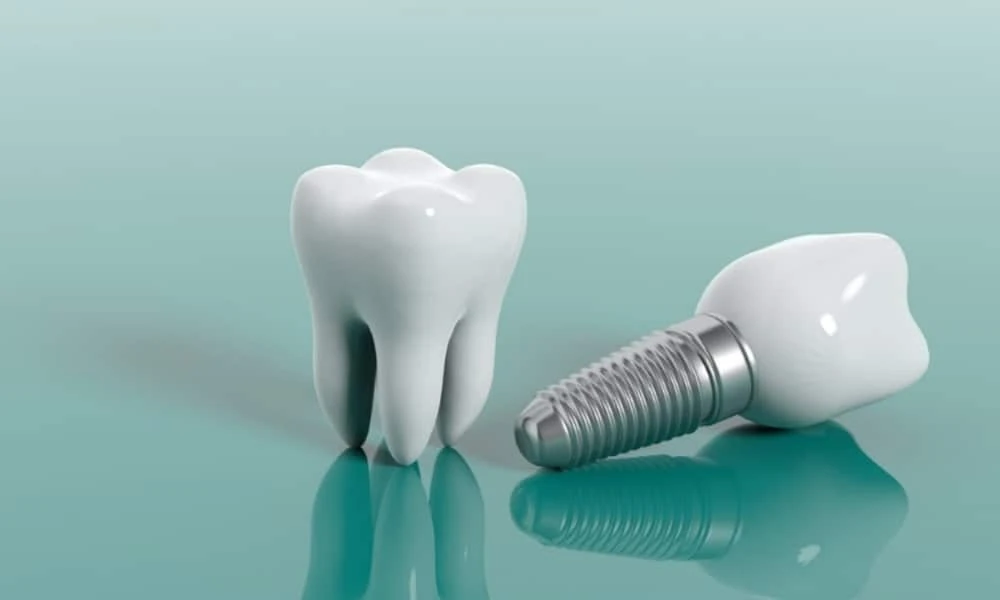
You notice the little things first. A child avoids brushing because their gums hurt. A parent keeps putting off a cleaning because life is packed. Someone in the family covers their smile in photos, even though the real issue started as a small stain, a chipped tooth, or bleeding gums. Oral health rarely falls apart all at once. It slips, quietly, when daily care gets crowded out and routine visits keep moving to next month. For those facing missing teeth, many families explore implant-supported tooth replacement in Albany as part of restoring comfort, function, and confidence.
That is where family dental care matters. It keeps health problems from growing in the background, and it gives you a path to a smile that feels clean, strong, and natural. Good care is not only about cavities. It connects to comfort, confidence, eating, speaking, sleep, and long term health. The role of family dentistry in maintaining health and beauty together is simple. It brings prevention and appearance into the same plan, so your family is not choosing between what feels good and what looks good.
Family dentistry connects prevention, comfort, and appearance
A general and cosmetic dentist sees the overlap every day. A routine exam can catch decay, gum irritation, grinding, or worn enamel before they become painful and expensive. The same visit can also address discoloration, uneven teeth, or old dental work that makes a smile look tired. Health and appearance are tied together because the mouth is not split into separate categories in real life. Inflamed gums do not look healthy. Cracked teeth do not feel healthy. A clean, stable smile usually looks better because it is better.
The benefits of family dentistry for oral health and appearance show up across ages. Children need sealants, fluoride, and help building habits. Teens often need guidance through braces, sports injuries, and diet choices that affect enamel. Adults face stress grinding, gum disease risk, and old fillings that begin to fail. Older adults may deal with dry mouth, root decay, and tooth loss. Seeing one dental home for these stages creates consistency, and consistency is what prevents small issues from turning into emergencies.
Research supports that broader view. The CDC explains that oral health is part of overall health, affecting daily life and linking with other conditions through pain, infection, and function. You can review the CDC’s overview of oral health and overall well being for a clear summary. The larger national picture also shows why routine care matters. The National Institute of Dental and Craniofacial Research details progress and ongoing gaps in its report on oral health in America.
Putting off dental care often costs more in health, money, and confidence
You may tell yourself it can wait because nothing hurts yet. That is usually how trouble builds. A skipped cleaning becomes tartar and gum inflammation. A small cavity becomes a larger filling or a crown. Teeth whitening bought online seems cheaper, until sensitive teeth get worse or the results look patchy. Cosmetic concerns also have a way of changing behavior. People smile less, speak more cautiously, and avoid treatment because they feel embarrassed by how long they waited.
Family dentistry lowers that pressure because it normalizes regular care. When everyone has a place to go, appointments become part of life instead of a last resort. A dentist who offers both preventive and cosmetic services can also help you make smart choices in stages. You may need a cleaning and gum treatment before whitening. A chipped front tooth may only need bonding, not a full makeover. A child with crowding may need monitoring now to avoid bigger problems later. This is what practical care looks like. It deals with what is urgent, protects what is healthy, and improves appearance without losing sight of function.
Daily habits and professional dental care work better together
Home care matters, but it has limits. Brushing and flossing reduce plaque, freshen breath, and protect gums. They cannot remove hardened tartar, diagnose decay between teeth, or correct a bite problem that keeps chipping enamel. The CDC’s guide to oral health tips for adults lays out the basics clearly, including brushing with fluoride toothpaste, cleaning between teeth, and avoiding tobacco. Those habits work best when they are paired with regular exams and cleanings.
| Concern | At Home | With a General and Cosmetic Dentist |
|---|---|---|
| Plaque and surface stains | Brushing and flossing help control buildup | Professional cleaning removes tartar and polishes stains more fully |
| Early cavities | Often missed until sensitivity starts | Exams and X rays can find decay before it grows |
| Gum bleeding | May improve with better flossing, may also persist | Evaluation can identify gingivitis or deeper gum disease |
| Tooth color and shape | Whitening products give mixed results | Whitening, bonding, and restorations can improve color and form safely |
| Long term cost | Low short term cost, higher risk if problems are missed | Higher routine cost, often lower cost than delayed treatment |
Small, steady steps protect both oral health and beauty
Book care by need, not by guilt. If someone in your family has pain, bleeding gums, broken dental work, or has not been seen in a long time, start there. You do not need the perfect plan before making the first appointment. You need a clear picture of what is happening now.
Ask for a phased treatment plan. This helps when budget is a concern. Start with prevention and active disease, then move to cosmetic goals. Cleanings, fillings, and gum care protect the foundation. Whitening, bonding, or replacing worn restorations can come next.
Build one routine everyone can follow. Keep it simple. Brush twice a day with fluoride toothpaste, clean between teeth daily, limit frequent sugary snacks and drinks, and keep regular recall visits on the calendar. Shared routines work because they remove decision fatigue. Family members are more likely to stay consistent when care feels normal.
Family dentistry and smile care work best when they are treated as part of the same job. You do not have to choose between a healthy mouth and a smile you feel good showing. The right dental care supports both. If your family has been putting appointments off, this is a good time to change course and get a plan that fits real life.