

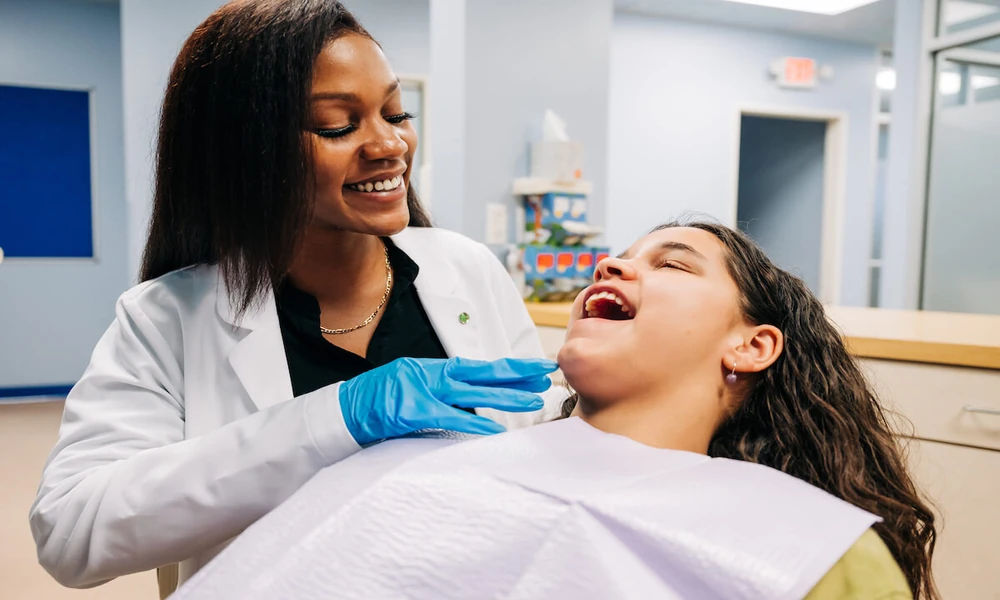
You brush, maybe floss when you remember, and show up for a cleaning expecting the usual. Then your dentist or hygienist pauses to look more closely at your gums, and that small moment can feel bigger than it should. A little bleeding, some tenderness, gums that seem to be pulling back from your teeth, these things are easy to brush off at home. In the dental chair, they tell a story, and for patients who feel especially anxious about treatment, a sedation dentist in Wichita falls may help make the next steps feel more manageable.
Your gums can reveal signs of irritation, infection, bone loss, clenching, smoking effects, dry mouth, and changes in your daily habits. That is why what your gums can reveal during a routine dental visit matters more than many people realize. A regular exam is not just about cavities. It is often where early gum disease shows up before pain forces your attention.
Gum health often shows trouble before teeth do
Gums react fast when bacteria build up along the gumline. Redness, swelling, bleeding during brushing, persistent bad breath, and gum recession can all point to inflammation. In its early stage, that inflammation is gingivitis. If it keeps going, it can turn into periodontitis, which affects the bone and tissues that hold your teeth in place. The CDC explains gum disease as a common condition that can become serious when it is not treated.
This is where a routine dental visit does quiet work. Your dentist is not only checking whether your teeth are clean. They are looking at gum color, shape, pocket depth, bleeding points, plaque buildup, recession, and mobility. You may feel fine and still have changes happening under the surface. That disconnect catches people off guard. If nothing hurts, why would anything be wrong? Gum disease often answers that question by staying painless for a long time.
What gums reveal at a dental checkup can also reflect habits outside your mouth. Stress may show up through clenching or grinding, which can irritate gum tissue and wear down teeth. Smoking can reduce blood flow and hide bleeding even while damage continues. Dry mouth from medications can make it easier for plaque to stick around. Diabetes can make gum problems harder to control, and gum inflammation can make blood sugar management harder too.
A routine dental exam can uncover early gum disease
Early signs are easy to miss in the mirror. Mild swelling does not always look dramatic. Bleeding after flossing gets blamed on flossing itself. Receding gums can happen so slowly that your smile still looks the same to you. During a routine dental visit, those small changes are easier to measure over time.
Your dentist may use a tiny probe to check the space between your teeth and gums. Deeper pockets can mean the tissues are pulling away from the tooth. They may compare current findings with past visits and see a pattern you would never notice day to day. That matters because treatment is simpler when gum disease is caught early. Professional cleaning, better home care, and follow-up visits can often control gingivitis before it causes lasting damage.
When gum disease moves forward, the stakes rise. Teeth can loosen. Biting can feel different. You may need deeper cleanings, more frequent maintenance, or referral to a specialist. The National Institute of Dental and Craniofacial Research outlines how gum disease progresses and why early care makes a difference.
Common gum findings and what they may mean
| What your dentist sees | What it may suggest | What usually helps |
|---|---|---|
| Red, puffy gums | Plaque irritation or gingivitis | Professional cleaning and better brushing and flossing |
| Bleeding during cleaning or flossing | Inflammation below the gumline | Consistent home care and follow-up evaluation |
| Gum recession | Brushing too hard, gum disease, or clenching | Technique changes, night guard if needed, periodontal care |
| Deep gum pockets | Periodontitis and tissue detachment | Scaling and root planing or specialist treatment |
| Persistent bad breath | Bacteria buildup, gum infection, or dry mouth | Cleaning, hydration, and addressing the cause |
| Loose teeth | Advanced bone loss or bite trauma | Prompt periodontal and restorative evaluation |
Not every gum change means severe disease. Some people have temporary irritation from hormonal shifts, mouth breathing, or a rough patch in their oral care routine. The point is not to panic. The point is to pay attention early, when problems are still easier and less expensive to manage. MedlinePlus offers a clear overview of gum disease symptoms and treatment if you want a reliable place to start.
General dentist visits give you a clearer picture than home checks
A mirror can show obvious swelling or recession. It cannot measure pocket depth, spot tartar below the gumline, or compare your current gum health with records from six months ago. That is where a general dentist helps most. You get trained eyes, instruments that reveal what you cannot see, and a plan based on what is actually happening, not what you hope is happening.
If you have been putting off care because you are worried about cost or judgment, you are not alone. Many people wait because they expect bad news. Most dental teams would rather catch a small issue now than help you through a much harder one later. That is true for your comfort, your time, and your wallet.
Steps you can take right away for healthier gums
Pay attention to bleeding. If your gums bleed when you brush or floss, do not treat that as normal. Keep cleaning gently and consistently, and bring it up at your next appointment. Bleeding is often one of the first signs of inflammation.
Track changes you can feel or see. Notice bad breath that does not go away, gums that look lower on your teeth, tenderness, or a bite that feels different. Those details help your dentist connect the dots faster.
Keep your routine dental visits. A general dentist can catch gum problems before they become painful or expensive. Regular cleanings and exams are one of the simplest ways to protect both your gums and your teeth.
Healthy gums support your whole mouth
Your gums are not background tissue. They are part of the foundation that keeps your teeth stable, your mouth comfortable, and your smile functioning the way it should. When they change, they are usually telling you something worth hearing.
If you have noticed bleeding, swelling, recession, or bad breath, schedule a visit with a general dentist and get a clear answer. Early attention can prevent bigger treatment later, and peace of mind is reason enough to stop wondering.