

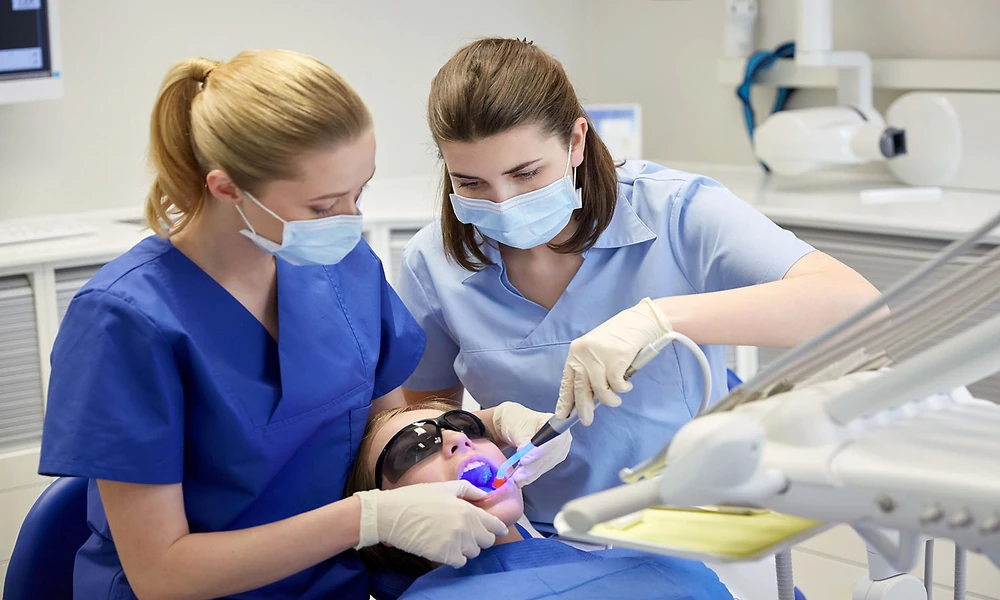
You do not plan for a dental emergency. It starts with a cracked tooth after a fall, swelling that seems to spread by the hour, bleeding that does not stop, or pain so sharp you cannot think straight. In that moment, you are not comparing specialties or reading fine print. You want the pain controlled, the damage assessed, and a clear next step. Oral Surgeon for Basking Ridge NJ.
That is where oral surgeons matter. They handle problems that go beyond a routine dental visit, especially when the issue involves trauma, infection, impacted teeth, jaw injuries, or the need for immediate surgical care. Emergency oral surgery is often the bridge between short term relief and protecting your long term oral health.
Oral surgeons treat the emergencies that general dental care cannot always resolve
A general dentist is often the first call for tooth pain or a broken filling. Some emergencies, though, move into a different category fast. Facial swelling can point to a serious infection. A tooth knocked loose in an accident may involve bone and soft tissue damage. Severe pain around an impacted wisdom tooth can come with infection, limited jaw opening, and trouble swallowing. These are not small problems waiting for a convenient appointment.
An oral surgeon and implant dentist is trained to diagnose and treat conditions involving the teeth, gums, jaws, facial bones, and oral tissues. That training matters in urgent situations because the problem is rarely just the tooth. It may involve nerve injury, deep infection, fractures, or the need for surgical extraction under proper anesthesia.
You may already know something is wrong when the pain feels out of proportion, when your face looks different in the mirror, or when over-the-counter medication stops helping. That instinct is often right. Delay can turn a manageable problem into a hospital visit, missed work, higher costs, and more complicated treatment.
Dental trauma and infection often need an oral surgeon’s skill set
Two of the most common reasons people need urgent surgical dental care are trauma and infection. Both can worsen quickly, and both can affect more than your mouth.
Trauma can happen in seconds. A sports injury, car accident, or fall may leave you with a broken tooth, a displaced tooth, cuts inside the mouth, or a fractured jaw. You might think the main issue is cosmetic at first, but hidden damage is common. Teeth can be pushed into the bone, roots can fracture below the gumline, and the jaw can be unstable even when the swelling has not fully set in yet.
Infection can feel less dramatic at first, which is why people sometimes wait too long. A tooth abscess may begin as throbbing pain and become facial swelling, fever, bad taste, drainage, and pressure that keeps you awake. According to clinical guidance on odontogenic infections, dental infections can spread into deeper spaces of the head and neck and create serious health risks when not treated promptly. That is one reason oral surgeons in emergency dental care are so important. They can remove the source, drain infection when needed, and manage cases that are no longer routine.
Emergency rooms can help with pain control and rule out immediate medical danger, but they often cannot provide definitive dental treatment. The American Dental Association explains the gap clearly in its information on emergency department dental referrals. If the source is a tooth or jaw problem, following up with the right dental specialist is what actually solves it.
Fast surgical treatment can protect your health and lower long-term costs
Many people hesitate because they worry about cost, time away from work, or the fear of surgery itself. That reaction is understandable. The hard part is that waiting often costs more. An infection that could have been treated with a focused procedure may spread and require more medication, more visits, and a longer recovery. A damaged tooth that might have been saved right away may need extraction later. A jaw injury left untreated can affect your bite, speech, and ability to eat.
This is also why urgent dental surgery is not just about getting out of pain. It is about preserving function. Chewing, speaking, sleeping, and even concentrating at work can all fall apart when your mouth is in crisis. Oral surgeons step in when the problem threatens those basics.
Home care and emergency treatment are not equal responses
| Situation | Common home response | What an oral surgeon can address | Risk of waiting |
|---|---|---|---|
| Facial swelling from tooth infection | Pain relievers, cold compress, hoping it settles | Drainage, surgical extraction, infection source control, imaging | Spread of infection, worse swelling, medical complications |
| Broken or impacted wisdom tooth with severe pain | Salt water rinses, soft foods | Surgical removal, treatment of surrounding infection or tissue damage | Increased pain, infection, damage to nearby teeth |
| Knocked out or displaced tooth after trauma | Trying to reposition it without full assessment | Stabilization, surgical evaluation, bone and soft tissue repair | Tooth loss, bone damage, long-term bite problems |
| Jaw pain after an accident | Rest and waiting for swelling to go down | Imaging, fracture diagnosis, surgical treatment if needed | Poor healing, chronic pain, trouble opening or closing the mouth |
Clear steps help when everything feels urgent
1. Watch for red flag symptoms. Rapid swelling, fever, trouble swallowing, uncontrolled bleeding, a loose or knocked-out tooth, numbness, or an injury that changes your bite all call for prompt professional care. These signs usually mean the issue has moved beyond routine treatment.
2. Protect the area without making it worse. Use a cold compress on the outside of the face for swelling. Keep a knocked-out tooth moist in milk or saliva if possible. Avoid placing aspirin directly on the gums, and do not try to drain swelling at home. Soft pressure with clean gauze can help with bleeding while you seek care.
3. Get the right provider involved early. If the problem looks surgical, a root service like an oral surgeon can save time and reduce complications. The sooner the source is identified, the sooner you can move from panic to a plan.
Emergency dental care is stronger when oral surgeons are part of the response
When your mouth hurts, your whole day narrows around it. Eating is hard, sleep is broken, and every hour of waiting feels longer than it should. The reason oral surgeons play such a key role in emergency dental care is simple. They treat the injuries, infections, and surgical problems that need more than temporary relief.
If you are dealing with severe pain, swelling, trauma, or a dental issue that feels like it is escalating, seek professional care right away. Quick treatment can protect your health, your comfort, and your options for recovery.